A historic moment that reminded the world—we’ve always been here, and we’re not going anywhere.
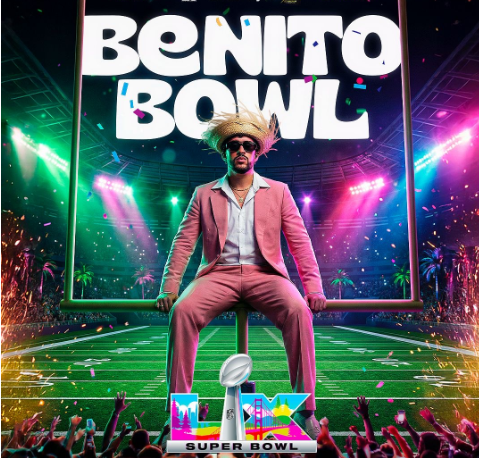
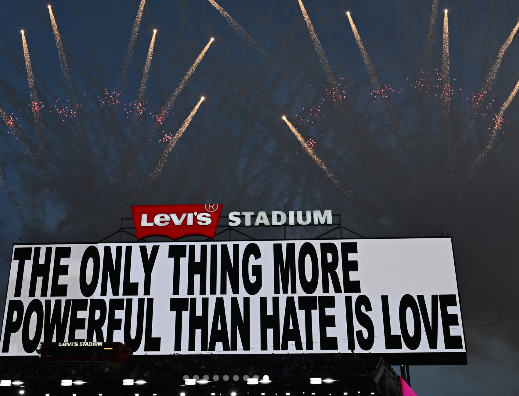
When Bad Bunny took the stage at Super Bowl LX on February 8, 2026, in Inglewood, California, it wasn’t just another halftime show. For millions of Puerto Ricans living in the United States, it was a moment of profound validation—a declaration that our culture, our language, and our stories deserve the biggest stage in American sports.
The Weight of Representation
For Puerto Ricans in the diaspora, representation has always been complicated. We exist in a unique space—American citizens by birth, yet often treated as perpetual outsiders. We’ve contributed to every aspect of American life, from military service to arts and culture, yet our island’s struggles and our community’s richness remain invisible to many.
Bad Bunny’s performance shattered that invisibility in spectacular fashion.
Unapologetically Boricua
What made this halftime show revolutionary wasn’t just that a Latin artist headlined—it was how he did it. Bad Bunny didn’t water down his identity for mainstream palatability. He didn’t perform in English to make the audience comfortable. Instead, he brought the full force of Puerto Rican culture to 115 million viewers, singing entirely in Spanish and weaving references to our island’s history, struggles, and resilience throughout the performance.
This was a reclamation. After more than 500 years of colonization, after Hurricane María, after decades of economic exploitation and political limbo, here was a Puerto Rican artist refusing to shrink himself. He reminded the world that our culture doesn’t need translation—it demands to be experienced on its own terms.
More Than Music
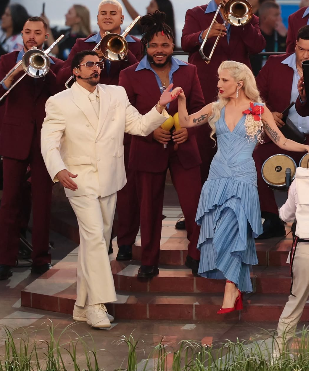
The performance was layered with cultural and historical references that resonated deeply with those who understood. Every visual element, every song choice, every choreographed moment spoke to the Puerto Rican experience—both on the island and in the mainland United States.
For those of us watching from living rooms across America, it was emotional. We saw ourselves reflected in the world’s most-watched sporting event. Our parents, our grandparents, our children—all witnessing a Puerto Rican artist commanding that stage with the confidence and pride we’ve always carried but haven’t always seen celebrated at this scale.
The Diaspora’s Moment
Puerto Ricans in the United States number over 5.8 million—more than the population of Puerto Rico itself. We’re teachers, doctors, soldiers, artists, and entrepreneurs. We’re in every state, every city, contributing to the fabric of American society while maintaining deep connections to our island roots.
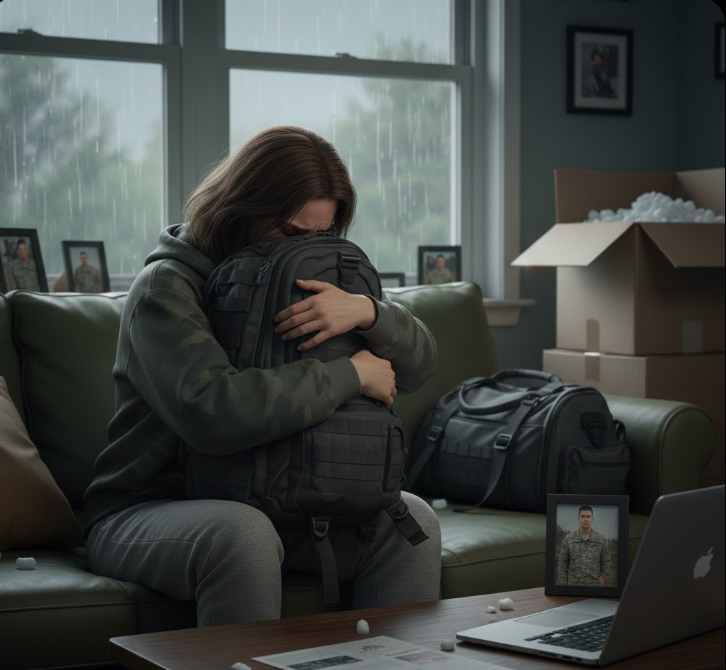
Bad Bunny’s performance was for all of us. For the kid in the Bronx who gets made fun of for speaking Spanish at home. For the family in Orlando still recovering from the trauma of María. For the veteran in Chicago who served this country while watching their homeland struggle. For the college student in Virginia Beach, navigating what it means to be both Puerto Rican and American.
A Cultural Earthquake
The significance of this moment extends beyond entertainment. When a Puerto Rican artist performs at the Super Bowl halftime show—in Spanish, with uncompromising cultural authenticity—it shifts the narrative. It tells young Puerto Ricans that they don’t have to choose between their heritage and their ambitions. It tells America that Latin culture isn’t a niche market—it’s mainstream, it’s powerful, and it’s here to stay.
Bad Bunny has consistently used his platform to advocate for Puerto Rico, from protesting corrupt governors to raising awareness about the island’s colonial status. His Super Bowl performance was an extension of that advocacy—a reminder that Puerto Rican culture and history matter, that we deserve recognition, and that our stories are American too.
The Ripple Effect
This performance will be remembered as a watershed moment. It opens doors for future Latin artists. It validates the experiences of millions of Puerto Ricans and Latinos who’ve felt marginalized. It proves that authenticity resonates more powerfully than assimilation.
For Puerto Ricans watching, it was a moment of collective pride that’s hard to articulate. It was seeing our flag, our music, our language, our struggles, and our joy celebrated on the world’s biggest stage. It was validation that we’ve been waiting for, even if we didn’t realize how much we needed it.
Wepa Forever
Bad Bunny’s Super Bowl halftime show wasn’t just a performance—it was a statement. A statement that Puerto Rican culture is vibrant, relevant, and powerful. A statement that we don’t need permission to take up space. A statement that our stories, told in our language, with our rhythms and our pride, can captivate the world.
For every Puerto Rican who watched, whether in San Juan or Seattle, in Ponce or Philadelphia, we felt it. That surge of pride. That sense of being seen. That reminder of who we are and what we represent.
Bad Bunny didn’t just perform at the Super Bowl. He brought Puerto Rico with him. And in doing so, he reminded America—and the world—that we’ve always been here, we’ve always mattered, and we’re not going anywhere.
¡Wepa! ¡Boricua hasta la muerte! 🇵🇷
This historic performance will be remembered not just for its entertainment value, but for its cultural significance—a moment when Puerto Rican pride took center stage and refused to be ignored.